May 20, 2024
Speedy Setup, Speedier Results
The impact of quick setup low-rise scaffolding on project turnaround time.


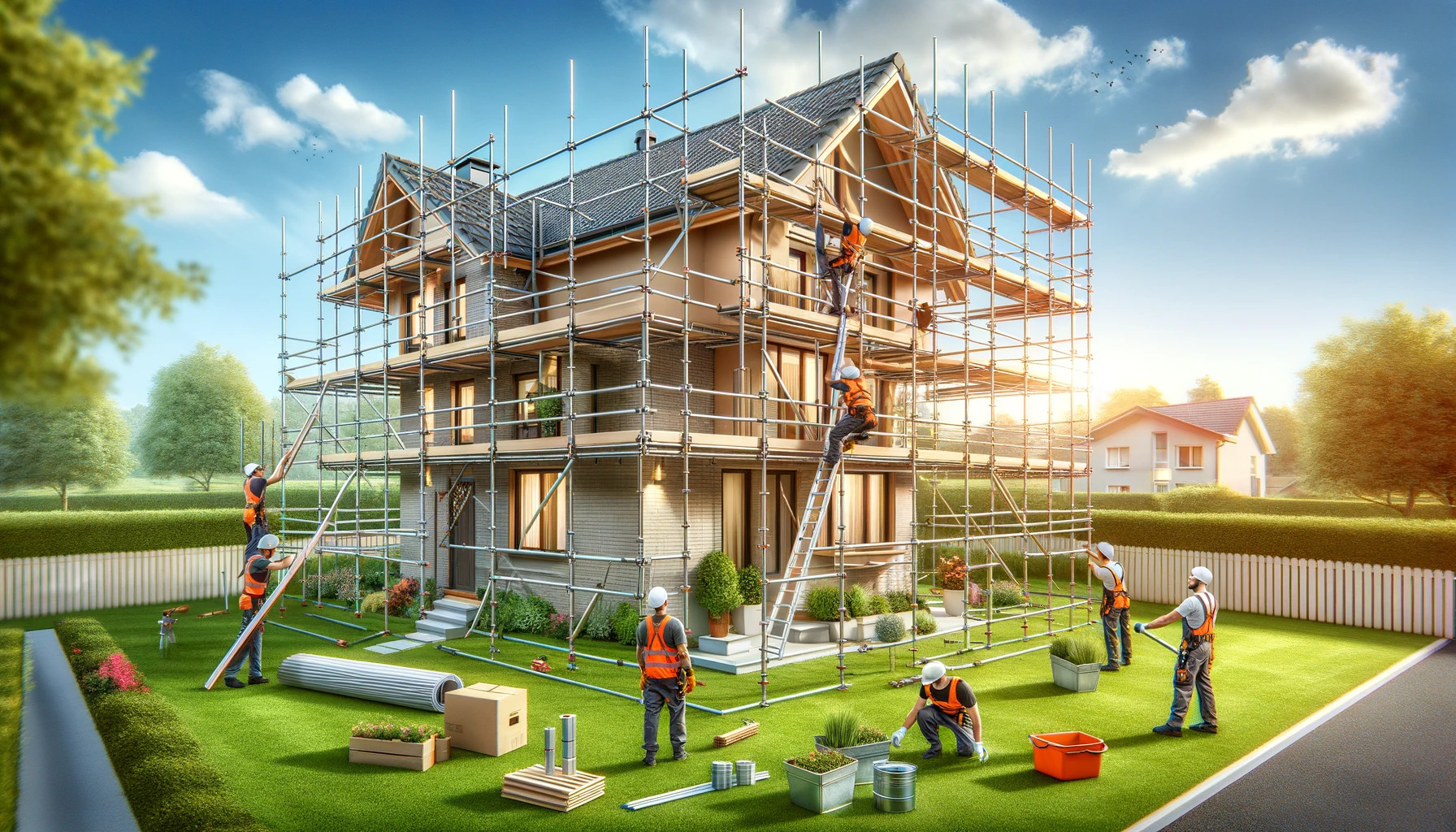
In the construction industry, efficiency isn't just about saving time; it's about maximizing productivity and reducing costs without compromising safety or quality. Traditional scaffolding systems have long been a bottleneck in this respect, often requiring extensive setup and teardown times, which can delay projects and increase labor costs. However, the advent of low-rise scaffolding systems has begun to revolutionize the field. This article provides a comparative analysis of low-rise scaffolding versus traditional methods, highlighting the benefits and efficiencies gained with modern scaffolding solutions.
One of the most significant advantages of low-rise scaffolding is its quick setup and teardown capabilities. Unlike traditional scaffolding, which can take several hours or even days to assemble and disassemble, low-rise scaffolding systems are designed for agility. These systems often come pre-assembled or require minimal assembly, enabling construction crews to get to work almost immediately. This rapid deployment not only saves time but also reduces labor costs, making it a go-to choice for projects with tight deadlines.
Construction sites, especially in urban areas, are often constrained by limited space. Here, low-rise scaffolding systems excel by providing substantial utility in a compact form. Their modular design allows them to be easily configured to fit tight spaces where traditional scaffolding might not be feasible. This adaptability makes low-rise scaffolding ideal for renovations and extensions in densely populated areas, where every square meter of space must be optimally utilized.
When it comes to cost-saving, low-rise scaffolding systems are hard to beat. Their ease of assembly and disassembly means fewer hours paid for setup and teardown, translating to direct labor savings. Additionally, the speed with which these systems can be moved from one phase of a project to another reduces downtime, thereby optimizing the construction timeline and further cutting costs.
Traditional scaffolding often involves cumbersome pieces that need to be manually assembled, a process that requires skilled labor and a lot of time. The setup is not just slow but also more prone to scheduling disruptions due to its complexity and dependency on multiple factors like weather conditions and labor availability. On the contrary, low-rise scaffolding systems are less labor-intensive and can be deployed quickly in varying conditions, ensuring that projects stay on schedule.
For developers and contractors aiming to enhance efficiency and productivity in their projects, buying low-rise scaffolding represents a smart investment. The best low-rise scaffolding for quick setup not only meets the demands of modern construction projects but also provides a competitive edge by allowing for faster project completion and reduced costs.
Ready to revolutionize your construction projects with efficient scaffolding solutions? Explore our range of low-rise scaffolding systems today and experience the benefits of modern scaffolding technology. Contact us to learn more or to make a purchase!


