May 20, 2024
Speedy Setup, Speedier Results
The impact of quick setup low-rise scaffolding on project turnaround time.


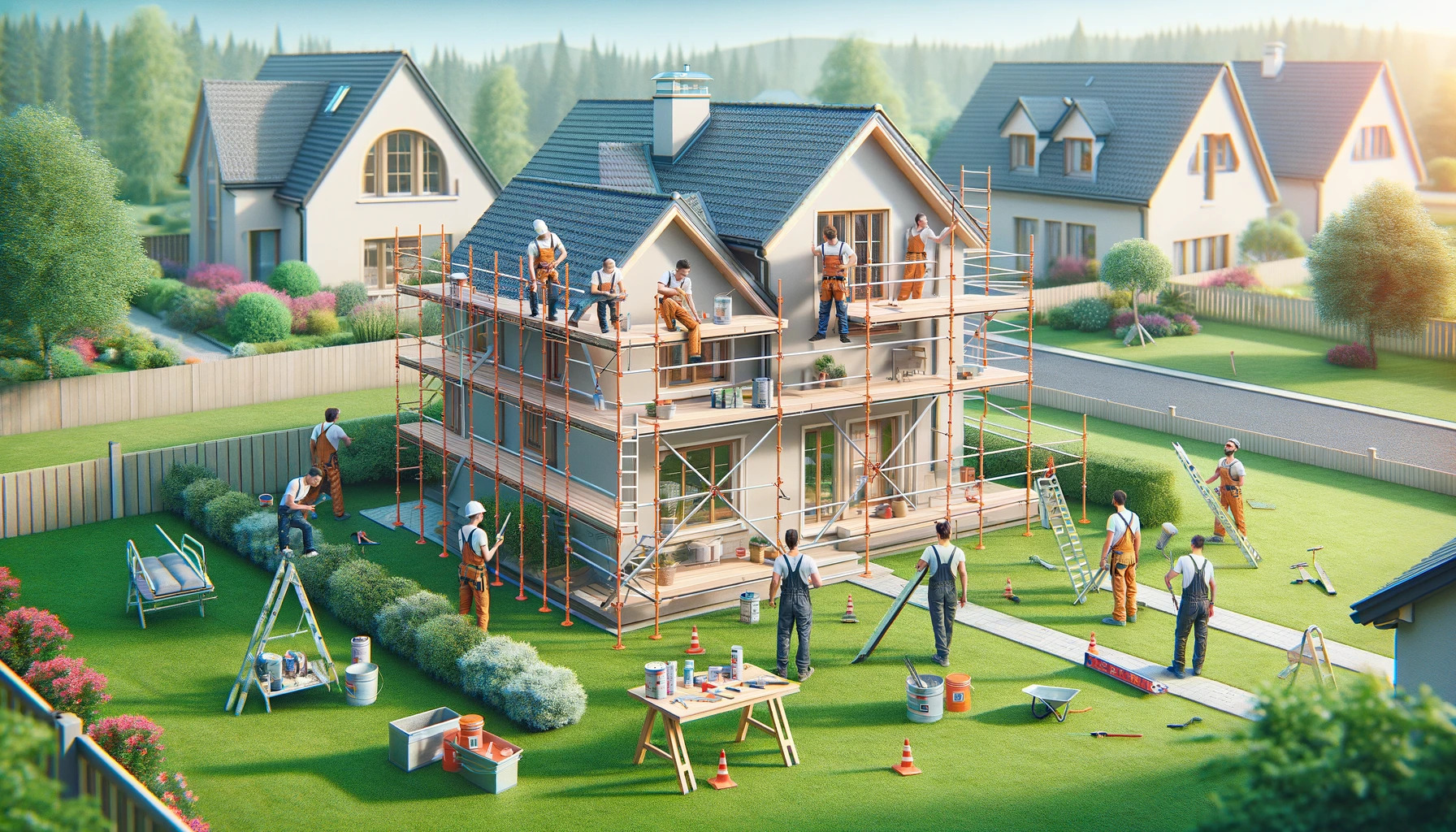
In today’s fast-paced construction world, efficiency isn’t just a benefit; it’s a necessity. As urban spaces get tighter and project deadlines shorter, traditional scaffolding systems often fall short in meeting the modern demands of speed and space management. Enter low-rise scaffolding systems — the game-changer in construction technology that promises not only quick setup and teardown but also unmatched adaptability to various environments. This blog explores the superior efficiency of low-rise scaffolding systems compared to traditional methods, providing a guide on choosing the best options for your specific project needs.
Low-rise scaffolding systems are engineered for ease. With components that are designed to snap together effortlessly, these systems can be assembled and disassembled up to three times faster than traditional scaffolding. This rapid deployment capability not only trims hours off your project timelines but also significantly cuts down labor costs, making it an ideal choice for projects with strict budgets and tighter schedules.
Urban construction often deals with the challenge of limited space. Low-rise scaffolding systems shine in such scenarios with their compact and versatile designs. Whether you’re working between tightly packed city buildings or renovating a small residential area, these scaffolds provide the flexibility needed to maneuver and operate efficiently in constrained spaces.
Beyond speed and space, safety remains a paramount concern in construction. Low-rise scaffolding systems are not only easier to set up but are also inherently safer, thanks to their low height and stable design. Moreover, these systems are crafted to adapt seamlessly to various terrains, whether you are working on grass, dirt, sand, or concrete, ensuring stability and safety across different project sites.
When it comes to choosing between low-rise and traditional scaffolding, the differences in efficiency and adaptability are stark. Traditional scaffolding often requires more time for setup and takedown, involves heavier materials, and demands more labor, which can escalate project costs. On the other hand, low-rise scaffolding systems offer a streamlined, lightweight alternative that enhances project efficiency without compromising on safety or quality.
Selecting the right scaffolding system involves considering several factors:
With their remarkable time-saving benefits and adaptability, low-rise scaffolding systems are transforming the construction landscape, making them a superior choice for modern construction projects. By choosing the right system, you can significantly enhance efficiency, reduce costs, and maintain safety standards.
Ready to increase the efficiency and safety of your construction projects? Explore our low-rise scaffolding systems today. Contact us to buy low-rise scaffolding tailored to meet the unique demands of your projects.


